

About This Book
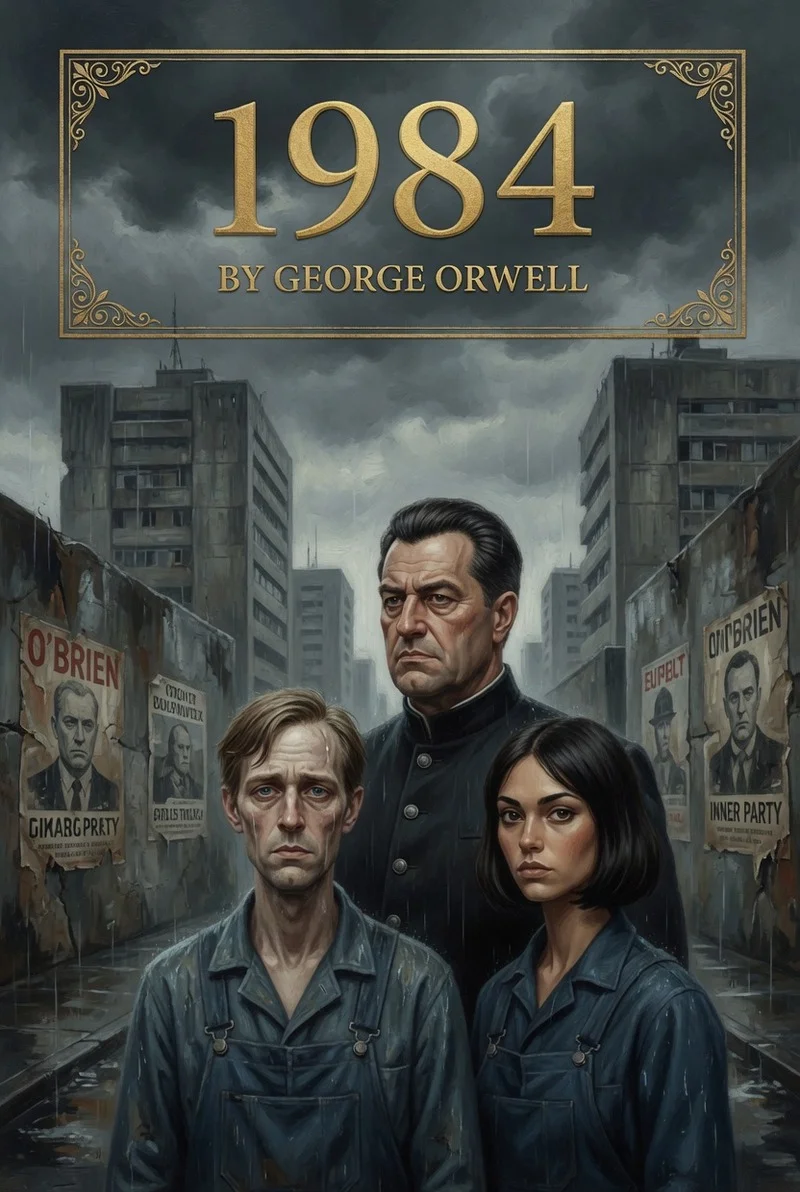
George Orwell's *1984* plunges readers into a chilling dystopian future where Oceania is a totalitarian superstate ruled by the omnipresent Party. The Party controls every aspect of life, from the food people eat to the thoughts they are allowed to have, all under the watchful eye of its enigmatic leader, Big Brother. Citizens live in constant fear, with history constantly rewritten and independent thought, or "thoughtcrime," ruthlessly suppressed. The story follows Winston Smith, a low-ranking Party member who secretly harbors rebellious feelings and questions the Party's absolute power.
In a world increasingly shaped by digital information and surveillance, *1984* serves as a powerful and enduring warning about the dangers of unchecked government power, the manipulation of truth, and the importance of individual freedom and critical thinking. Reading this novel will challenge you to consider the nature of reality, the power of language, and the ways societies can lose their way.
Meet the Characters

More about Winston Smith
Winston works at the Ministry of Truth, rewriting historical records. He feels a growing sense of unease and dissatisfaction with his life and the oppressive society he lives in, harboring secret doubts about the Party's control.

More about Julia
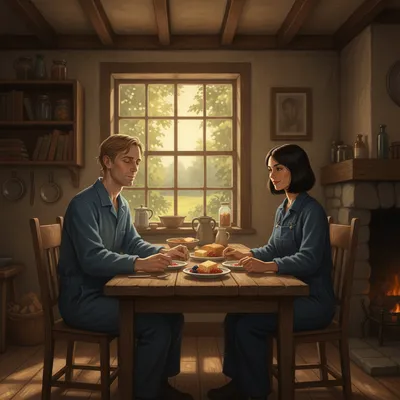
Julia works in the Ministry of Truth as well, but presents herself as a loyal and enthusiastic Party member. She is outwardly cheerful and conforms to societal expectations, but secretly harbors a rebellious spirit and a desire for personal freedom.

More about O'Brien
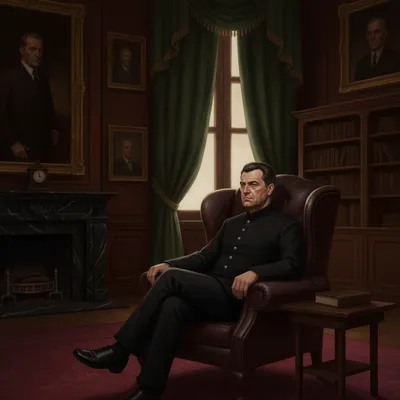
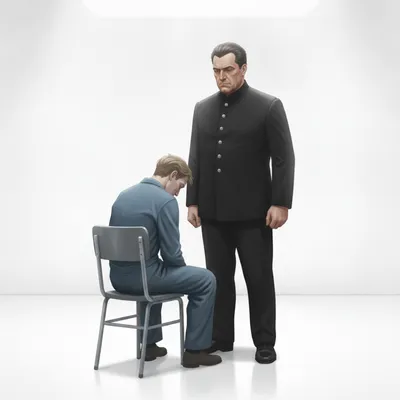
O'Brien is a member of the Inner Party, the elite ruling class of Oceania. He is intelligent and seems to share Winston's unspoken criticisms of the Party, presenting an aura of understanding and shared dissent.

More about Big Brother
Big Brother is the symbolic leader of Oceania and the Party. His image is everywhere, representing the Party's total control and surveillance over the lives of its citizens. He is the figurehead of the regime, embodying its power and ideology.
Pre-Reading Discussion Questions
- What does it mean to be 'free'?
- How important is privacy in your life?
- Can you imagine a government that knows everything you do and think?
- What is the role of truth in society?
- How does language shape our understanding of the world?
- What are the potential dangers of absolute power?
Themes & Big Ideas to Track
- The nature of truth and reality in a controlled society.
- The power of language and its manipulation as a tool of control.
- The role of surveillance and its impact on individual freedom.
- The psychological effects of fear and oppression on individuals.
- The importance of memory and history in understanding the present.
- The concept of rebellion and the struggle for individual identity.
Chapter-by-Chapter Study Guide
Chapter 1
Before you read — think about:
- What do you already associate with the year 1984 and the phrase 'Big Brother', before reading a word of the novel?
- How does a person’s behaviour change when they know they are being watched?
- Why might a government want the same face and the same slogans everywhere its citizens look?
- What makes writing something down feel different from simply thinking it?
- How reliable is your memory of what a familiar place looked like ten years ago?
Watch for these while reading:
- The three Party slogans on the face of the Ministry of Truth, and the way each one is built.
- The telescreen: what it can do, and what Winston can and cannot do about it.
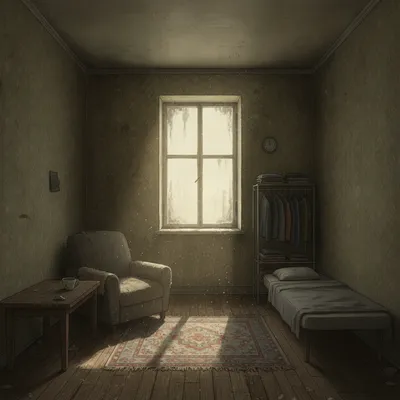
- Orwell's opening sentence, and the physical details he chooses for Victory Mansions.
- The Two Minutes Hate: the noises the room makes and the words the people in it use.
- The blank book, the pen, and the care Winston takes over the act of writing.
Chapter 2
Before you read — think about:
- What can you tell about a family from the way its home is kept and the way its children behave?
- How do people talk to their neighbours when they cannot be sure who is listening?
- Why do some words feel dangerous to say out loud?
- What is the cost of having to seem cheerful and agreeable all the time?
- If writing your private thoughts were illegal, who would you picture as your reader?
Watch for these while reading:
- Winston's neighbour Mrs Parsons, and the state of her flat.
- The Parsons children, their uniforms, and the games they play.
- How Orwell conveys the smell, the noise and the clutter of ordinary Party life.
- Party vocabulary Winston uses without stopping to explain it: 'vaporized', 'thoughtcrime', 'the Thought Police'.
- The precautions Winston takes over the diary before he leaves the flat.
Chapter 3
Before you read — think about:
- How much of your early childhood can you actually verify, and how much do you take on trust from other people?
- What is the difference between forgetting something and being told it never happened?
- Why do people so often say a dream 'felt truer' than waking life?
- Who decides what goes into a history textbook, and why might that matter?
- Can a person hold two contradictory beliefs at once and be sincere about both?
Watch for these while reading:
- The two dreams in this chapter, and the very different landscapes they take place in.
- What Winston can and cannot remember about his mother and his early childhood.
- The Physical Jerks, and the voice that runs them.
- The Party slogan about who controls the past, and how Winston turns it over.
- Orwell's account of doublethink, and the phrasing he uses to keep it slippery.
Chapter 4
Before you read — think about:
- What does a job do to a person who does not believe in the work?
- If a newspaper could quietly rewrite yesterday’s edition, what would still be lost?
- Where does 'editing' end and lying begin?
- Have you ever taken pride in doing something well that you did not think was right?
- Why do institutions so often speak in a language outsiders find hard to follow?
Watch for these while reading:
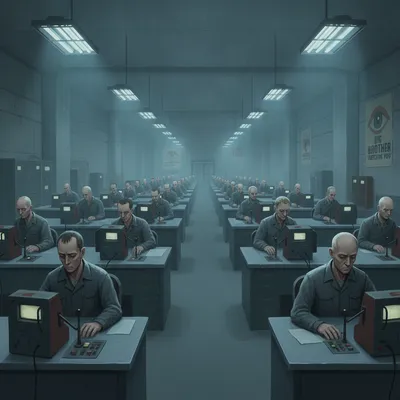
- The equipment at Winston's desk: the speakwrite, the pneumatic tubes, and the slot called the memory hole.
- The clipped, abbreviated language of the messages Winston is sent.
- The exact procedure by which a back number of The Times is corrected.
- Which parts of the work Winston finds dull, and which parts he enjoys.
- Comrade Ogilvy, and the kind of detail Orwell gives him.
Chapter 5
Before you read — think about:
- If the words for an idea disappeared from a language, would the idea disappear too?
- Why might a government prefer its citizens to have a smaller vocabulary?
- What can you learn about a society from what it serves for lunch?
- How does a shared canteen or lunchroom reveal the pecking order of a place?
- How do people behave differently at work from the way they behave at home?
Watch for these while reading:
- Syme, his work on the Newspeak dictionary, and the pleasure he takes in it.
- The examples of Newspeak words Syme gives, and how each one is put together.
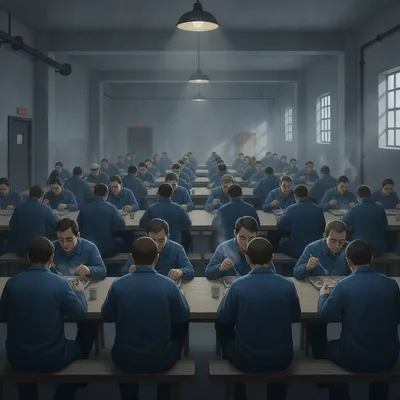
- The canteen itself: the gin, the stew, the noise, the queue.
- Parsons, and the way he talks about his family and the Party.
- The chocolate ration figure announced on the telescreen, and what Winston remembers about it.
Chapter 6
Before you read — think about:
- Why might a government take an interest in whom its citizens marry and how they feel about each other?
- What is the difference between a duty and a choice?
- What kinds of rules does a society enforce without ever writing them down?
- Can loyalty be commanded, or only given?
- Why might a diary be addressed to no one in particular, and what does that do to how it is written?
Watch for these while reading:
- The Party's official teaching about marriage, and the league young people are encouraged to join.
- Katharine, and the words Winston chooses when he describes her.
- How the diary entry is written: where it hurries, where it stops.
- Winston's reasons for setting down something that gives him no pleasure to record.
- The distinction Winston draws between the Party's stated rules and its real purpose.
Chapter 7
Before you read — think about:
- How do you know that something happened before you were born?
- What is the difference between history and memory?
- What kind of evidence would convince you that an official version of events was false?
- Is a fact still a fact if every record of it has been destroyed and every witness denies it?
- Is there anything you believe that you could not be argued out of?
Watch for these while reading:
- The proles: how many there are, how the Party describes them, and how Winston describes them.
- The children's history textbook Winston quotes, and the picture of the past it gives.
- The photograph of three old Party leaders that once passed through Winston's hands.
- The sentence Winston writes about freedom, and the arithmetic he uses to define it.
- How Orwell moves between the diary entries and Winston's unwritten thoughts.
Chapter 8
Before you read — think about:
- What do you notice about a neighbourhood when you walk through it rather than past it?
- How does the place you grow up in shape what you think of as normal?
- Why is it hard to imagine a time before the world you grew up in?
- Why might a person deliberately take a risk they know is foolish?
- What does a second-hand shop tell you about the place it stands in?
Watch for these while reading:
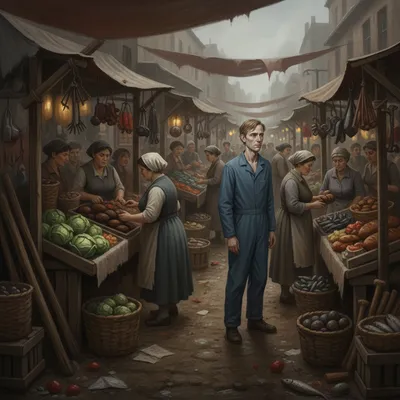
- The prole quarter: its streets, its shops, its talk, and how it differs from Winston's own district.
- The old man in the pub, and the kind of memories he is able to produce.
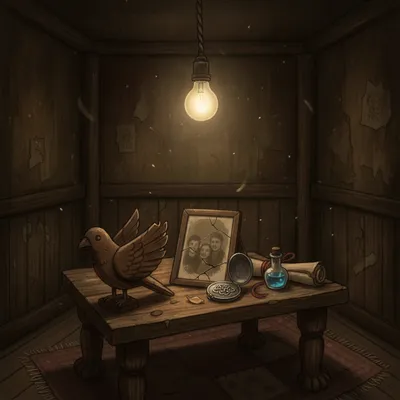
- Mr Charrington's shop, and the things kept in it.
- The glass paperweight, and the language Orwell uses to describe it.
- The room above the shop, and the way Winston responds to it.
Chapter 9
Before you read — think about:
- What is the difference between being alone and being lonely?
- How much of your day is arranged by somebody else’s timetable?
- Why can hope be more frightening than despair?
- How well can you really judge a stranger from their face and their bearing?
- How do you behave differently in a crowd from the way you behave on your own?
Watch for these while reading:
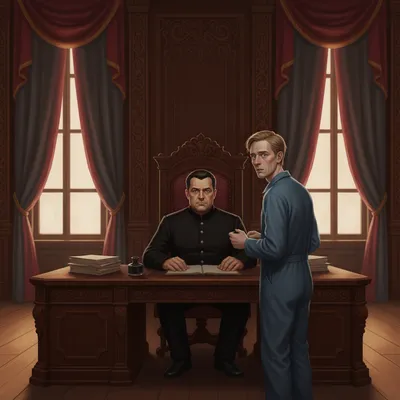
- The Ministry corridor, and the sequence of small physical details Orwell gives it.
- The folded scrap of paper, and Winston's difficulties in getting to read it.
- The days that follow, and the plans Winston makes and abandons.
- The crowd in Victory Square, and the procession it has gathered for.
- How the two of them manage to talk, and the rules they seem to be following.
Chapter 10
Before you read — think about:
- Why is it easier to speak honestly away from the place where you work?
- How do you know when you can say what you really think to someone?
- What is the difference between rebelling against a system and simply ignoring it?
- What is the difference between courage and recklessness?
- How far can you trust a person you have chosen to trust because you needed to?
Watch for these while reading:
- The journey out of London, and the instructions Winston has been given for making it.
- The countryside itself, and how Orwell's sentences change once Winston is in it.
- The thrush, and the amount of space Orwell gives it.
- The girl's name, her age, and the account she gives of herself.
- What she says about the Party, and the tone she says it in.
Chapter 11
Before you read — think about:
- Can two people want the same thing for completely different reasons?
- Is obeying a rule the same thing as agreeing with it?
- Why do people keep some friendships entirely separate from the rest of their life?
- How does a person decide how much of their past to tell someone new?
- What do you find out about someone by hearing how they talk about their job?
Watch for these while reading:
- The places Winston and Julia find to meet, and the rules they invent for meeting.
- Julia's job in the Fiction Department, and the machinery she describes.
- What Julia believes about the war, the news, and the Party's stories.
- The account Winston gives of his marriage.
- Where Winston's and Julia's ideas about rebellion part company.
Chapter 12
Before you read — think about:
- How much privacy do you actually have, and who decides that?
- What songs or rhymes do you know without knowing where you learned them?
- Why do people sing while they are working?
- How much risk would a few hours of privacy be worth to you?
- Which small everyday comforts would you miss most if they became unavailable?
Watch for these while reading:
- The room above the shop, its furniture, and the things Winston and Julia bring into it.
- The prole woman in the yard below, her washing, and her singing.
- The rhyme about the bells of London, and how much of it anyone can recall.
- The old print on the wall and the glass paperweight on the table.
- How Julia treats the room and how Winston treats it, and where the two differ.
Chapter 13
Before you read — think about:
- What is the difference between a rumour and a piece of news in a place where the news is controlled?
- How do you tell the difference between what you remember and what you were told?
- What makes a person stop believing an official explanation?
- What changes in a person once they have something to lose?
- Why do people go along with a public mood they do not privately share?
Watch for these while reading:
- The preparations for Hate Week, and everything the city has to do to be ready for it.
- The rocket bombs, and Julia's theory about where they come from.
- Winston's physical condition over these weeks: his cough, his ulcer, his weight.
- The talk in the room about the Brotherhood, and how much either of them actually knows.
- What Julia does and does not remember of the years before the Party, set against what Winston remembers.
Chapter 14
Before you read — think about:
- Why do official words — 'department', 'committee', 'edition' — so often hide what is really going on?
- What can a very short chapter do in a novel that a long one cannot?
- What is the difference between being careful and being afraid?
- How do people behave when they know they might be overheard?
- How do you find out that a rule has changed when nobody announces it?
Watch for these while reading:
- The setting of the encounter, and how few words are actually exchanged.
- The subject O'Brien raises, and the reason he gives for speaking to Winston at all.
- How much of the exchange is left unsaid, and what Winston has to infer.
- The length of this chapter compared with the ones on either side of it.
- The account Winston gives himself afterwards of what has just happened.
Chapter 15
Before you read — think about:
- What is your earliest memory, and how sure are you that it is accurate?
- What do families do for one another that institutions cannot do?
- What do people mean when they call something 'only words'?
- How much of who you are comes from the people who raised you?
- What did you believe as a young child that you later found was not true?
Watch for these while reading:
- The dream Winston wakes from, and the gesture his mother makes in it.
- The memory of Winston's young sister and the chocolate ration.
- The distinction Winston draws between the world of his childhood and the world he lives in now.
- The promise Winston and Julia make each other, and the exact wording of it.
- The phrase 'We are the dead', and who says it to whom.
Chapter 16
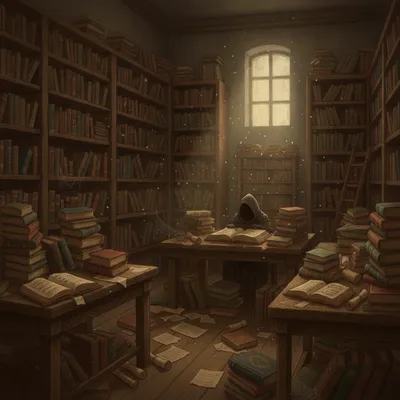
Before you read — think about:
- What makes people believe that a secret organisation exists?
- How do you decide how much to reveal about yourself to someone you have just met?
- Why do people speak differently in private than they do in public?
- Why is it easier to believe something you badly want to be true?
- Why might a person prefer to be given orders rather than choose for themselves?
Watch for these while reading:
- O'Brien's flat, and every detail that separates it from Victory Mansions.
- The servant, the wine, and the small luxuries Winston has never encountered before.
- The list of things Winston and Julia are asked whether they are prepared to do.
- The manner in which the questions are put: the order, the phrasing, and how much room is left for an answer.
- What Winston is told about the Brotherhood, and what he is not told.
Chapter 17
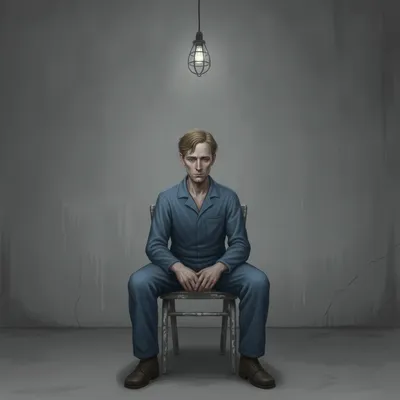
Before you read — think about:
- How do you decide which parts of a long argument to trust?
- Why do political movements produce long theoretical books, and who actually reads them?
- What is the effect on a reader when a novel stops and quotes a document at length?
- What is the difference between an explanation and an excuse?
- How does exhaustion change the way you think?
Watch for these while reading:
- The Hate Week rally: the speaker on the platform, the banners in the square, and how the crowd behaves throughout.
- The work Winston does in the days that follow, and how Orwell conveys exhaustion.
- The style of Goldstein's book: its sentences, its confidence, its chapter headings.
- What the book says about perpetual war, and about the three-class structure it claims every society has.
- The question Winston is left holding when he stops reading.
Chapter 18
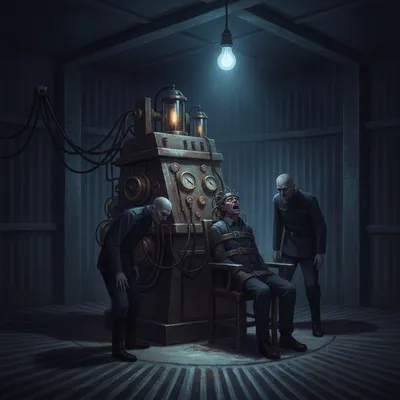
Before you read — think about:
- What makes an ordinary person singing at their work worth a writer's attention?
- Can something be beautiful and completely unremarkable at the same time?
- What do people mean when they say the future belongs to the young?
- How do people keep faith with a cause whose success they may never see?
- What can you tell about a society from the songs its ordinary people sing?
Watch for these while reading:
- The prole woman in the yard, and the number of lines Orwell gives her.
- Winston's thoughts about the proles' bodies, their work, and their children.
- The sentence Winston and Julia repeat to each other.
- The old print of St Clement's Dane, and the rhyme that goes with it.
- The glass paperweight, and what Winston has come to see in it.
Chapter 19
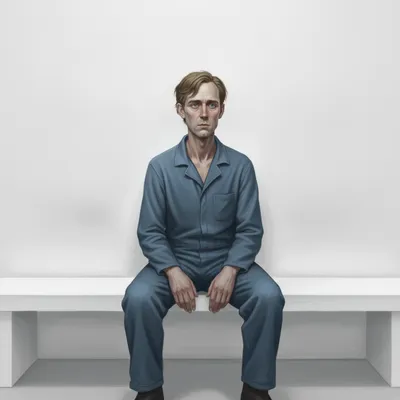
Before you read — think about:
- What does a room with no windows and no clock do to a person’s sense of time?
- How do people behave towards strangers when they are all in trouble together?
- Why might an authority deliberately keep a prisoner waiting without telling them anything?
- How do people fill time when they have nothing to do and nothing to read?
- What do you expect from an organisation whose name sounds kinder than its job?
Watch for these while reading:
- The cell: its light, its benches, its smell, and the absence of anything that marks the passing of time.
- The prisoners who pass through, and the offences they describe.
- The difference between how the proles in the cell behave and how the Party members behave.
- Parsons, and the way he talks about his own case.
- How the guards speak to the prisoners, and how much they explain.
Chapter 20
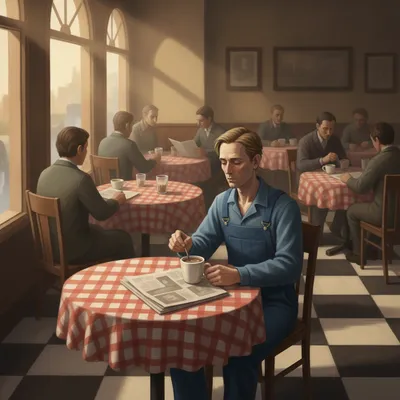
Before you read — think about:
- Where does the past exist, if the records and the memories disagree?
- What is the difference between knowing something and being able to prove it?
- Why do we trust our own eyes more readily than anything else?
- Why is arithmetic so often used as the example of something nobody can argue with?
- How would you go about proving that something you remember actually happened?
Watch for these while reading:
- The shape of the sessions: the questioning, the pauses, and the dial O'Brien keeps beside him.
- The argument about how many fingers are being held up, and what O'Brien wants out of it.
- O'Brien's manner: the tone he takes, and the words he uses about Winston.
- The photograph that comes back into the story in this chapter.
- The gap between the things Winston says and the things he still thinks.
Chapter 21
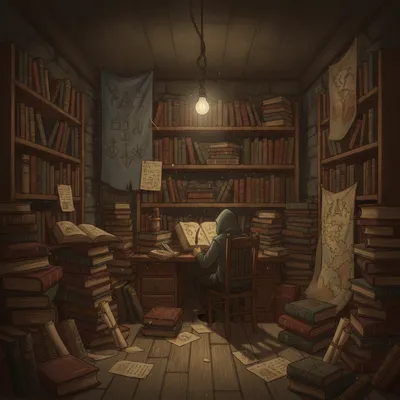
Before you read — think about:
- Why do people who hold power usually claim they hold it for someone else’s good?
- What makes someone believe that the way things are is the way they must always be?
- How do you argue with someone who will not accept any evidence?
- How much of what you believe did you choose, and how much were you taught?
- Why is it so hard to picture your own face accurately?
Watch for these while reading:
- The three stages O'Brien names, and where he says Winston has got to in them.
- O'Brien's answer to the question of why the Party holds power.
- The picture of the future O'Brien offers, and the single image he sums it up with.
- What O'Brien says a Party member has to be able to believe about the Party's enemies.
- The name O'Brien gives Winston towards the end of their exchange, and what he means by it.
Chapter 22
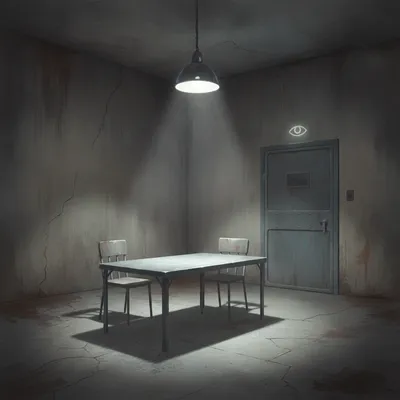
Before you read — think about:
- Can a person train themselves to stop a thought before it has properly formed?
- How does being physically well or unwell change what you think about?
- What is the difference between a habit and a belief?
- Why do schools and armies make people repeat things aloud together?
- What is the difference between learning something and being trained to do it?
Watch for these while reading:
- The change in Winston's conditions, and the things he is now given.
- The sentences Winston writes on his slate.
- The Newspeak word for cutting off a dangerous thought before it forms.
- What Winston can still do while asleep that he can no longer do awake.
- The arithmetic question, and where Winston has got to with it.
Chapter 23
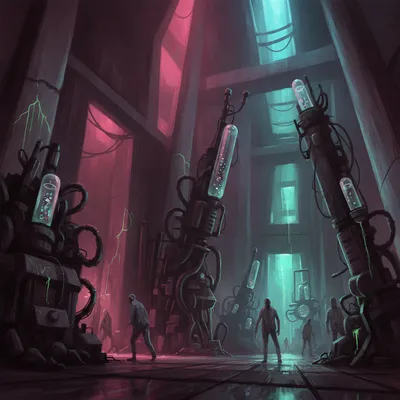
Before you read — think about:
- What makes a short chapter feel longer than its page count?
- What is the difference between a fear you can explain and one you cannot?
- What does a writer achieve by describing a place in careful physical detail?
- How does the way people speak change when they are frightened?
- What makes the name of a room, a department or a ministry sound harmless?
Watch for these while reading:
- The room Winston is taken to, and the details Orwell gives it before anything happens there.
- What O'Brien says Room 101 contains, and the way he explains it.
- The length of this chapter measured against the ones on either side of it.
- How much of the chapter is dialogue and how little is description.
- The physical details Orwell chooses to give, and the ones he refuses to give.
Chapter 24
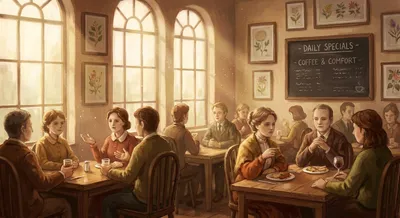
Before you read — think about:
- Why do people fall back on routine — the same seat, the same drink, the same hour?
- Why do writers so often end novels in ordinary public places — a café, a park, a street?
- What is a chess problem, and why might someone find working at one soothing?
- Why do bars, cafés and waiting rooms so often have music playing?
- What makes an ending stay with a reader long after the book is closed?
Watch for these while reading:
- The Chestnut Tree Café: its customers, its smell, its music, and who gets served there.
- The gin, the chess problem, and the announcements coming from the telescreen.
- The song that plays, and the effect it has on Winston.
- The conversation in the park, and how much is said in how few words.
- The map of Africa on the telescreen, and the news arriving from it.
About the Author
George Orwell, born Eric Arthur Blair, was an English novelist, essayist, journalist, and critic. Known for his clear prose and sharp social commentary, Orwell was deeply concerned with social injustice, totalitarianism, and the abuse of power. His most famous works, *Animal Farm* and *1984*, are enduring critiques of political systems and have had a profound impact on literature and political thought.
Published in 1949, *1984* was written in the shadow of World War II and the rise of totalitarian regimes like Nazi Germany and the Soviet Union. Orwell was deeply affected by the propaganda, surveillance, and political purges he witnessed. The novel reflects anxieties about the Cold War, the development of nuclear weapons, and the potential for technology to be used for mass control and oppression.