

About This Book
These are short rhymes for kids. Some are about pals. Some are about home, snacks, or play. The first one is Jack and Jill. Each rhyme is small. You can say one in one sitting.
Kids like these rhymes because they are short and easy to clap. The people feel like kids you know. One goes up a hill. One looks for sheep. One wants tea. One sings for a snack. After each rhyme, you can talk about what you would do.
Meet the Characters

More about Little Jumping Joan
Little Jumping Joan is the girl of the solitary jumping rhyme. When nobody is with her she is always alone, and she jumps anyway.

More about Little Tom Tucker
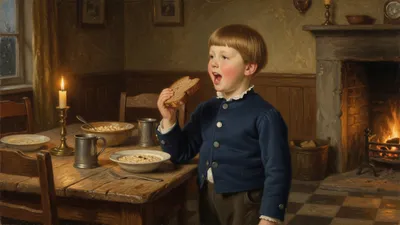
Little Tom Tucker sings for his supper of white bread and butter. He is the rhyme of earning a meal with a song.

More about Georgie Peorgie
Georgie Peorgie is the boy of the pudding-and-pie rhyme. He is forward with the girls when they are quiet, and he is not brave when they begin to play.

More about Tom, the Piper's Son
Tom, the piper's son, learnt to play when he was young. With his pipe he makes such a noise that he pleases all the girls and boys.

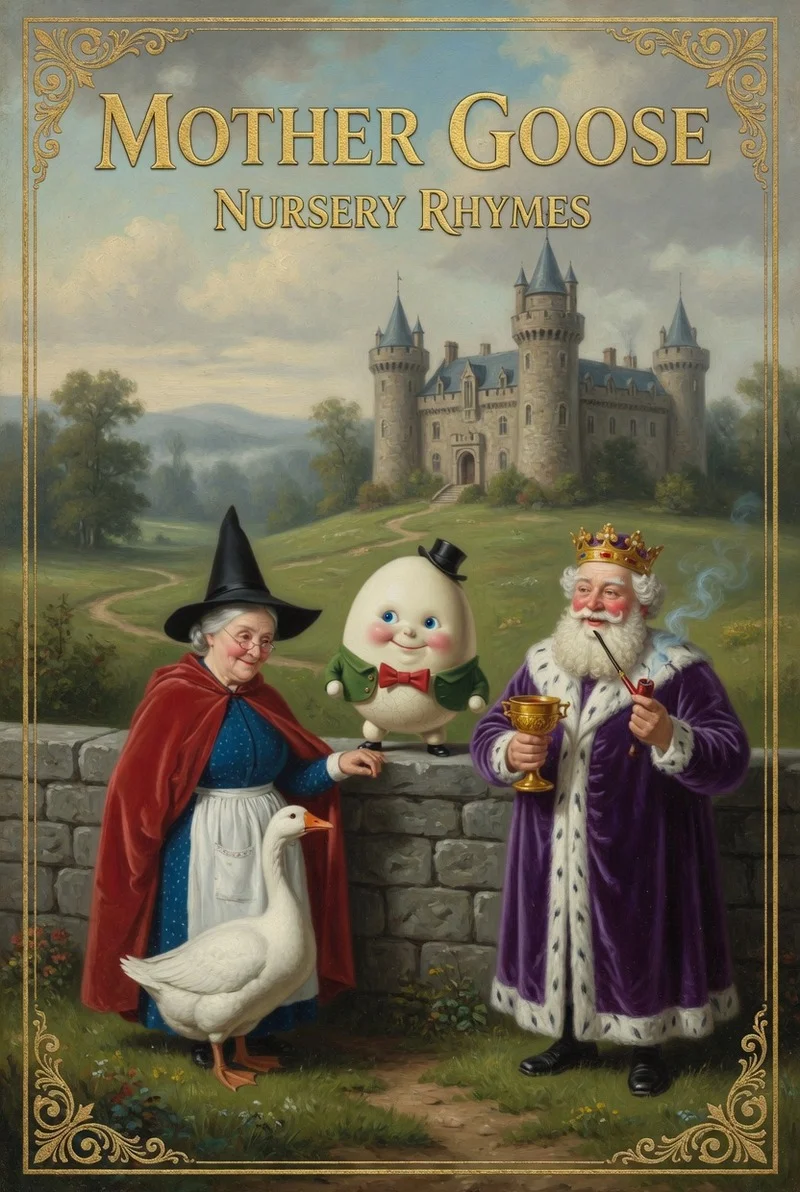
More about Mother Goose
Mother Goose is the cheerful old storyteller who gathers all these little poems together. She loves children and animals, and she shares every rhyme with a warm smile. Her big white goose is her best friend and waddles along beside her wherever she goes.

More about Little Bo-Peep
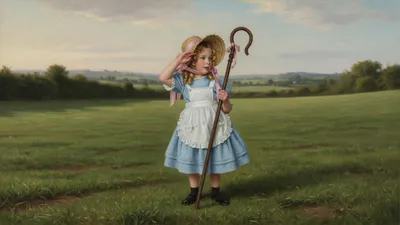
Little Bo-Peep is a gentle young shepherd girl who takes care of a flock of woolly sheep. She is kind and a little forgetful, and she loves being outdoors in the green fields. She carries a long curved stick to help guide her sheep.

More about Little Miss Muffet
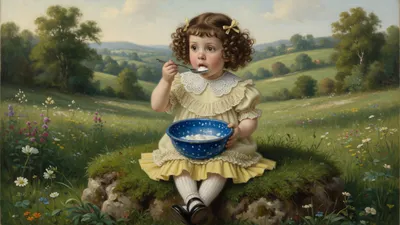
Little Miss Muffet is a sweet, tidy little girl who loves to sit down for a quiet snack. She is polite and easily surprised. She enjoys her curds and whey, which is a soft, milky treat a bit like cottage cheese.

More about Jack
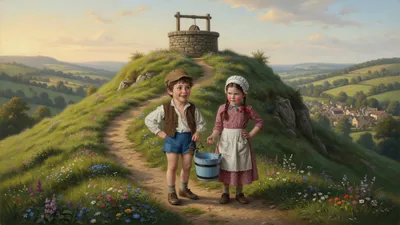
Jack is a lively, curious boy who turns up in many of the rhymes. He is brave and always ready for an adventure, whether he is climbing a steep hill or fetching a pail of water. He means well, even when things do not go quite as he planned.

More about Jill
Jill goes up the hill with Jack to fetch a pail of water. She is his partner in the climb. She is as much a part of that rhyme as he is.

More about Humpty Dumpty
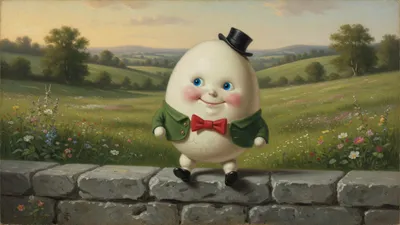
Humpty Dumpty is a round, friendly egg who loves to sit up high on a wall and watch the world go by. He is jolly and proud of his fine perch. Everyone in the village knows him by his big cheerful smile.

More about Old King Cole
Old King Cole is a merry, good-natured king who loves nothing more than music and fun. He calls for his pipe, his bowl, and his three fiddlers to fill his castle with cheerful songs. He is generous and almost always in a happy mood.

More about Mary, Quite Contrary
Mary, Quite Contrary is the girl of the garden rhyme. She is a little proud of her flowers and her rows of maids. Her garden is the most decorated in the book.

More about Mary's Little Lamb
Mary's lamb is the faithful little animal of the school rhyme. It loves Mary and does not understand classrooms. It is as much a character as any child in the collection.

More about Old Mother Hubbard
Old Mother Hubbard is a poor old woman whose cupboard is often bare. She loves her dog and keeps going out to fetch him things. She is one of the everyday grown-ups of the rhymes.

More about Wee Willie Winkie
Wee Willie Winkie runs through the town in his nightgown to see that the children are in bed. He is the rhyme of bedtime. He is not a grown-up watchman; he is a child on an errand.

More about Simple Simon
Simple Simon is the boy of the fairground rhyme who wants a pie and has no penny. He is not unkind, only simple. The pieman is his opposite number.

More about Little Jack Horner
Little Jack Horner sits in a corner eating a Christmas pie. He is the rhyme of being pleased with a plum. He is one of the sitting-still children, unlike Jack and Jill.

More about The Cow Who Jumped Over the Moon
The cow who jumped over the moon is the most famous animal of the nonsense rhymes. She is not a farm animal doing farm work; she is a wonder. The cat, the dog, the dish, and the spoon are her companions in that sky.

More about Polly
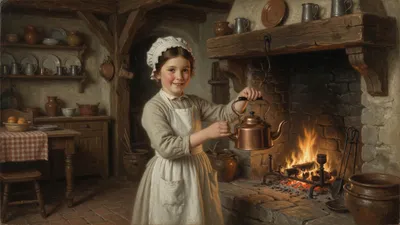
Polly is the girl of the kettle rhyme. She is helpful and quick. When company is coming she puts the kettle on; when they have gone, Sukey takes it off again.

More about Little Tommy Tittlemouse
Little Tommy Tittlemouse lives in a little house and catches fishes in other men's ditches. He is the rhyme of small lives and borrowed streams.

More about Goosey Gander
Goosey Gander wanders upstairs and downstairs and into my lady's chamber. He is the goose of the house-rhyme, always on the move.

More about Willy Boy
Willy Boy is going to the meadow to see them a-mowing and to help make the hay. He is the rhyme of a summer day's work.

More about Little Betty Blue
Little Betty Blue has lost her holiday shoe. She is the rhyme of a small problem with a simple fix: another shoe to match the other.

More about Little Boy Blue
Little Boy Blue is meant to look after the sheep and blow his horn when they stray. As the rhyme opens, the sheep are in the meadow and the cow is in the corn.
Pre-Reading Discussion Questions
- What song do you like to clap or sing?
- Have you ever heard a rhyme with a boy or a girl in it?
- What job do you help with at home?
- How does it feel when you cannot find something?
- What snack do you like after you sing?
- Who do you like to play with outside?
Themes & Big Ideas to Track
- How it feels to help with a job.
- How it feels when you lose something.
- What you do when a pal needs a snack.
- How a short song can still tell a little story.
- What you wear when you go out to play.
- How it feels to wait your turn.
Chapter-by-Chapter Study Guide
Chapter 1: Jack and Jill
Before you read — think about:
- Have you ever walked up a hill with a pal?
- What do you use to carry water?
- Who helps you with a job at home?
- How does it feel when you trip?
- What do you do if a pal falls down?
Watch for these while reading:
- The two names at the start.
- Where they are going.
- What they want to bring back.
- How the children move.
- What each child does.
Vocabulary to know:
fetch (verb) — to go and get something and bring it back; pail (noun) — a bucket for carrying water; crown (noun) — the top of a person's head.
Chapter 2: Little Bo-Peep has lost her sheep
Before you read — think about:
- Have you ever lost something you take care of?
- What animals live on a farm?
- How do you look for a lost toy?
- When is it hard to wait?
- Who helps you find things at home?
Watch for these while reading:
- The girl's name.
- What she cannot find.
- The words about home.
- What the sheep have.
- How the rhyme sounds when you clap it.
Vocabulary to know:
lost (adjective) — not able to be found; leave them alone (phrase) — do not chase or bother them.
Chapter 3: Polly put the kettle on
Before you read — think about:
- What do people make tea in?
- When do you share a snack at home?
- How do you ask pals to come over?
- What do you do when the snack is gone?
- Which names are easy to say out loud?
Watch for these while reading:
- Who puts the kettle on.
- What they will all have.
- Who takes the kettle off.
- Words that repeat.
- How the last line feels.
Vocabulary to know:
kettle (noun) — a pot for boiling water, often for tea; Sukey (noun) — a girl’s name in the rhyme, the one who takes the kettle off.
Chapter 4: Little Tommy Tittlemouse
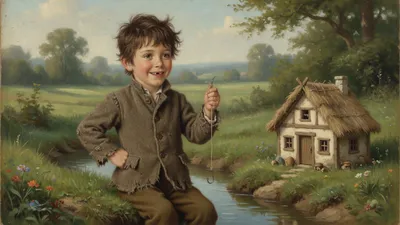
Before you read — think about:
- Where do you live?
- Have you ever seen a fish?
- What is a little house like?
- Where does water sit outside?
- What small jobs can a kid do?
Watch for these while reading:
- The boy's long name.
- Where he lives.
- What he catches.
- Where he looks for them.
- How little everything is.
Vocabulary to know:
ditches (noun) — narrow channels dug for water.
Chapter 5: Tell Tale Tit
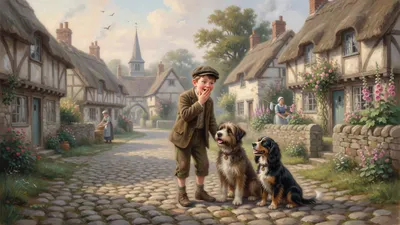
Before you read — think about:
- How do you feel if a pal tells your secret?
- What does it mean to tell on someone?
- Who do you talk to when you are upset?
- How can you be a kind pal?
- What words sound sharp in a song?
Watch for these while reading:
- The name at the start.
- What the rhyme says about a tongue.
- Who else is in the town.
- How the lines sound.
- How the rhyme makes you feel.
Vocabulary to know:
tale (noun) — a story; here, telling on someone.
Chapter 6: Goosey, goosey, gander
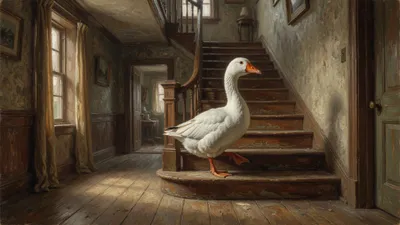
Before you read — think about:
- Have you ever gone up stairs and down stairs?
- What bird is big and white with a long neck?
- How do you say hello to someone new?
- What rooms are in a tall house?
- When do you say a prayer at home?
Watch for these while reading:
- The goose's name.
- Where the goose wanders.
- Who the goose meets.
- The words up stairs and down stairs.
- How the last lines move.
Vocabulary to know:
wander (verb) — to walk about without a fixed plan; chamber (noun) — a room, especially a bedroom.
Chapter 7: Willy boy, Willy boy, where are you going?
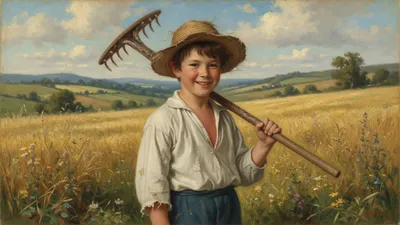
Before you read — think about:
- Where are you going today?
- Who do you like to walk with?
- Have you ever helped make hay or rake grass?
- What does a meadow look like?
- How do you ask if you can come too?
Watch for these while reading:
- The boy's name.
- The question he is asked.
- Where he says he is going.
- What work is happening.
- Who wants to go with him.
Vocabulary to know:
meadow (noun) — a grassy field; mowing (verb) — cutting grass or grain.
Chapter 8: Mary, Mary, quite contrary
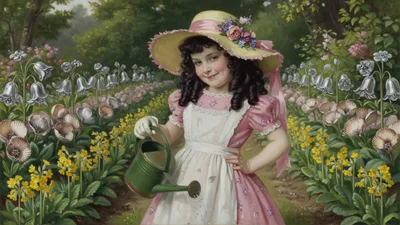
Before you read — think about:
- Do you have a garden at home or at school?
- What grows in a garden?
- How do you water plants?
- What is your favorite flower?
- How does a garden look when it is neat?
Watch for these while reading:
- The girl's name.
- The question about her garden.
- Silver bells.
- Cockle shells.
- How the flowers sit in a row.
Vocabulary to know:
contrary (adjective) — does the opposite, or will not do it the usual way; cockle shells (noun) — seashells; here they are part of the garden picture.
Chapter 9: Bonny lass, pretty lass, wilt thou be mine?
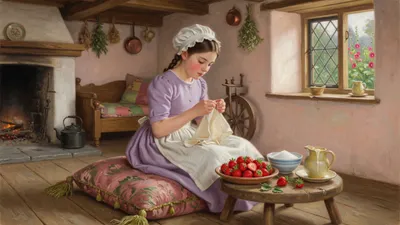
Before you read — think about:
- What kind words do you like to hear?
- What jobs at home do you not like?
- What snack feels fancy to you?
- Where do you like to sit and rest?
- How do you ask a pal to play?
Watch for these while reading:
- Who is being asked.
- The jobs the rhyme names.
- The cushion.
- The strawberries.
- How the last line sounds.
Vocabulary to know:
bonny (adjective) — pretty; good-looking; swine (noun) — pigs.
Chapter 10: A dillar, a dollar
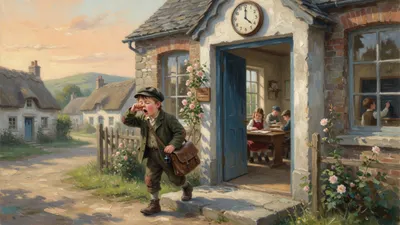
Before you read — think about:
- What time do you go to school?
- How do you feel if you are late?
- What is noon?
- Who helps you get ready in the morning?
- What do you do when the clock says it is time?
Watch for these while reading:
- The funny first words.
- The time named first.
- The question about coming soon.
- Ten o'clock.
- Noon.
Vocabulary to know:
scholar (noun) — a student; someone who goes to school; noon (noun) — twelve o’clock in the day.
Chapter 11: Little Betty Blue
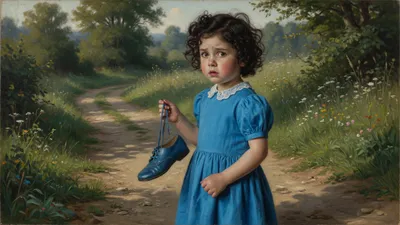
Before you read — think about:
- Have you ever lost a shoe?
- What color is your favorite shoe?
- How do you walk with only one shoe?
- Who helps you find a lost thing?
- What do you need two of to walk well?
Watch for these while reading:
- The girl's name.
- What she lost.
- The question about what she will do.
- The other shoe.
- How she can walk at the end.
Vocabulary to know:
holiday (adjective) — best or special, for a celebration.
Chapter 12: Billy boy blue, come blow me your horn
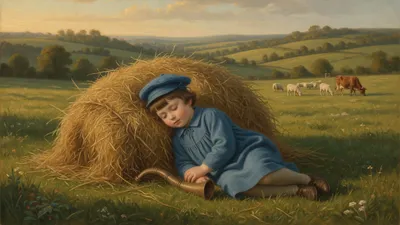
Before you read — think about:
- Have you ever blown a horn or a whistle?
- Where do sheep like to eat?
- How do you feel if you fall asleep on a job?
- Who takes care of animals?
- What is a meadow?
Watch for these while reading:
- The boy's name.
- What he is asked to blow.
- Where the sheep are.
- Where the cow is.
- Where the boy is at the end.
Vocabulary to know:
horn (noun) — a horn you blow to make a loud call; haycock (noun) — a small pile of hay in a field.
Chapter 13: Girls and boys come out to play
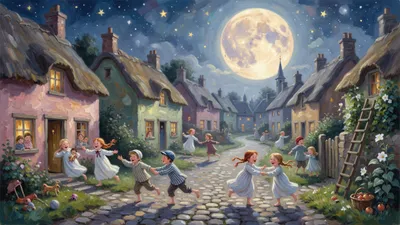
Before you read — think about:
- When do you like to go outside to play?
- How does the moon look at night?
- Who are your playmates?
- What do you leave behind when you run out to play?
- How do you call a pal to come?
Watch for these while reading:
- Who is asked to come out.
- How bright the moon is.
- Supper and sleep.
- The street.
- The loaf at the end.
Vocabulary to know:
whoop (noun) — a loud happy shout; playmates (noun) — friends you play with; halfpenny (adjective) — a very small bit of money.
Chapter 14: Here am I, little jumping Joan
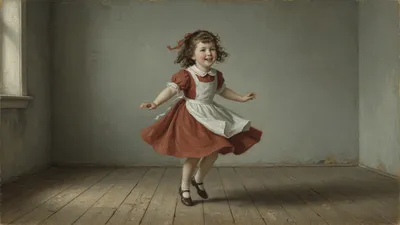
Before you read — think about:
- Do you like to jump?
- How does it feel to play by yourself?
- When is it nice to be alone?
- Who do you jump with at school?
- What is your name in a song?
Watch for these while reading:
- The girl's name.
- What she is doing.
- The word nobody.
- The word alone.
- How short the rhyme is.
Vocabulary to know:
jumping (adjective) — bouncing up and down; nobody (pronoun) — no person at all; alone (adjective) — by yourself, with no one else there.
Chapter 15: Ride a cock-horse
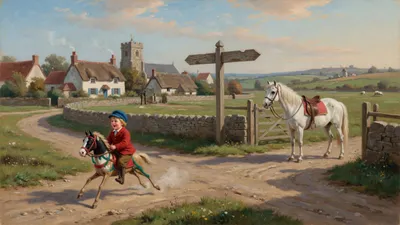
Before you read — think about:
- Have you ever sat on a rocking horse?
- What color horse would you like to see?
- Where do you go to see something special?
- Who do you ride with?
- How does a horse move?
Watch for these while reading:
- The cock-horse.
- The place named Banbury-cross.
- Little Johnny.
- The white horse.
- The word ride.
Vocabulary to know:
cock-horse (noun) — a pretend horse you bounce on, like a stick horse; Banbury-cross (noun) — a famous cross in the town of Banbury.
Chapter 16: Rock-a-bye baby
Before you read — think about:
- How do you help a baby go to sleep?
- What is a cradle?
- Who is in your family?
- What jobs do people do?
- How does a drum sound?
Watch for these while reading:
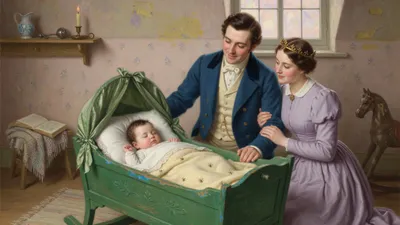
- The baby.
- The green cradle.
- Father and mother.
- Betty and the gold ring.
- Johnny and the drum.
Vocabulary to know:
cradle (noun) — a baby’s small bed; nobleman (noun) — a rich man in a fancy house; drummer (noun) — someone who plays the drum.
Chapter 17: Little Tom Tucker
Before you read — think about:
- Have you ever sung to get a snack?
- What do you like on bread?
- How do you cut bread at home?
- What is hard to do without a tool?
- Who do you eat supper with?
Watch for these while reading:
- The boy's name.
- Why he sang.
- White bread and butter.
- The knife.
- The last question.
Vocabulary to know:
supper (noun) — the evening meal; butter (noun) — the yellow spread people put on bread; marry (verb) — to become husband and wife.
Chapter 18: Little Miss Muffet
Before you read — think about:
- Where do you like to sit and eat?
- What snack do you eat with a spoon?
- How do you feel if a bug sits near you?
- What do you do if you get scared at a snack?
- Who sits with you at lunch?
Watch for these while reading:
- The girl's name.
- Where she sits.
- What she is eating.
- Who is near her.
- How Miss Muffet looks.
Vocabulary to know:
tuffet (noun) — a small mound or a low seat; curds (noun) — the thick part of milk after it sours, like cottage cheese; whey (noun) — the watery part left when milk makes curds.
Chapter 19: Humpty Dumpty sat on a wall
Before you read — think about:
- Have you ever sat on a wall or a fence?
- How does it feel to sit up high?
- What happens if you lose your balance?
- Who helps you get up after a fall?
- What shape is an egg?
Watch for these while reading:
- The name Humpty Dumpty.
- Where he sits.
- The word fall.
- How short the rhyme is.
- How the two lines match.
Vocabulary to know:
wall (noun) — a built-up side, here something high enough to sit on; fall (noun) — a tumble from a high place.
Chapter 20: See-Saw-Jack in the hedge
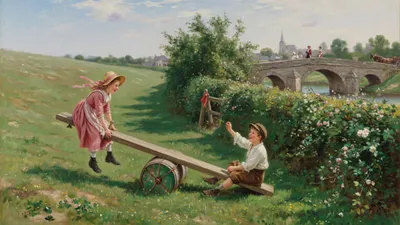
Before you read — think about:
- Have you ever played on a see-saw?
- What is a hedge?
- How do you ask for the way?
- Have you heard of a big bridge?
- Who do you ask when you are lost?
Watch for these while reading:
- The words See-Saw.
- The name Jack.
- The hedge.
- The question about the way.
- London Bridge.
Vocabulary to know:
See-Saw (noun) — a long board that goes up and down with a person on each end; hedge (noun) — a row of bushes used like a fence; London Bridge (noun) — a famous bridge in the city of London.
Chapter 21: Little lad, little lad
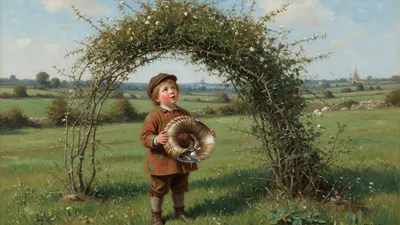
Before you read — think about:
- Where were you born? What town?
- What is sour milk like?
- Have you seen a thorn on a plant?
- What do you drink at supper?
- How do you answer 'where are you from?'
Watch for these while reading:
- The little lad.
- The question about where he was born.
- Lancashire.
- The thorn.
- The ram's horn.
Vocabulary to know:
lad (noun) — a boy; Lancashire (noun) — a county in the north of England; thorn (noun) — a sharp point on a plant, or a thorn bush; sour (adjective) — a sharp, not-sweet taste.
Chapter 22: As I was going up Pippin Hill
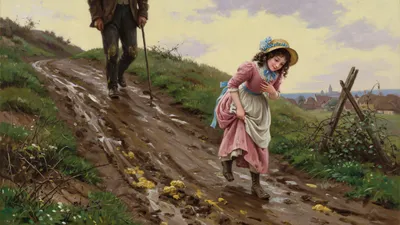
Before you read — think about:
- Have you walked up a dirty hill?
- How do you say hello without words?
- What is a curtsey?
- How do you keep shoes clean on a muddy path?
- Who do you meet on the way to school?
Watch for these while reading:
- Pippin Hill.
- How the hill looks.
- Who is met.
- The curtsey.
- The word pretty.
Vocabulary to know:
lass (noun) — a girl or young woman; curtsey (noun) — a polite dip of the knees used as a greeting; dirty (adjective) — not clean; covered in mud or dust.
Chapter 23: Little maid, little maid
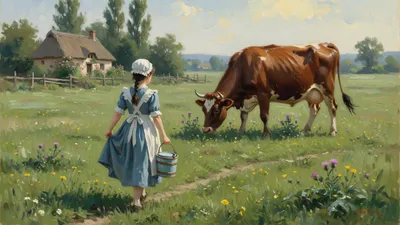
Before you read — think about:
- Where are you going after school?
- Have you seen a cow in a meadow?
- What does it mean to milk a cow?
- Who does jobs on a farm?
- How do you ask someone where they are going?
Watch for these while reading:
- The little maid.
- The question 'whither goest thou'.
- The meadow.
- The cow.
- The word milk.
Vocabulary to know:
maid (noun) — a girl; whither (adverb) — an old word for where, meaning to what place; goest (verb) — an old way of saying go, as in you go.
Chapter 24: My mother, and your mother
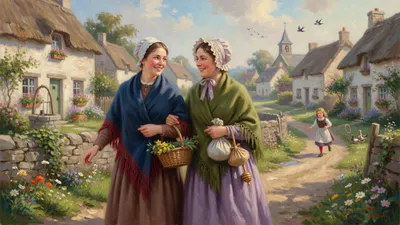
Before you read — think about:
- Do you know your friend's mother?
- What games do you play that are just pretend?
- How do two pals walk down a path?
- What silly names do you give a game?
- How do you keep a game kind?
Watch for these while reading:
- The two mothers.
- Where they went.
- Who talks.
- The last line.
- How the rhyme feels like a game.
Vocabulary to know:
way (noun) — the road or path people walk on; chop-a-nose (noun) — a playful joke-name for a pretend tap on the nose.
Chapter 25: All around the green gravel
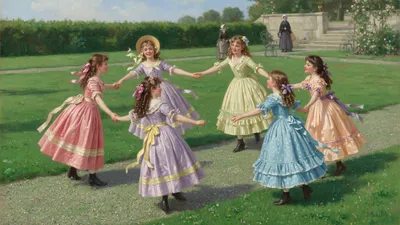
Before you read — think about:
- What color is grass?
- Have you walked on gravel?
- What is silk like to touch?
- How do you get dressed for a party?
- What games do you play in a circle?
Watch for these while reading:
- Green gravel.
- How green the grass is.
- The pretty maids.
- Milk and silk.
- The last line about going down.
Vocabulary to know:
gravel (noun) — small stones that cover a path; silk (noun) — a smooth, shiny cloth; shall (verb) — an old way of saying will, as in is going to.
Chapter 26: One foot up, the other foot down
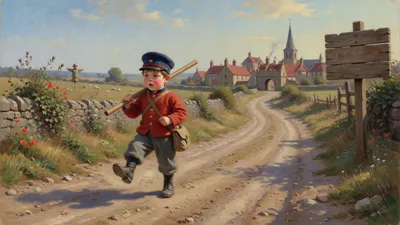
Before you read — think about:
- How do you walk, one foot then the other?
- Have you ever seen a soldier's hat?
- What is a cap?
- How do you march in a line at school?
- What do you wear on your head?
Watch for these while reading:
- One foot up.
- The other foot down.
- The soldier.
- The cap.
- How the two lines fit.
Vocabulary to know:
town (noun) — a place with houses and streets.
Chapter 27: Georgie Peorgie, pudding and pie
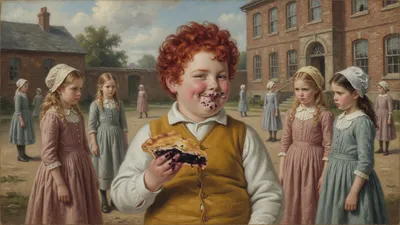
Before you read — think about:
- What is pudding?
- How do you feel if a pal kisses you when you did not want it?
- What do you do when you are shy?
- When do pals run home?
- How can you be a kind pal?
Watch for these while reading:
- The boy's name.
- Pudding and pie.
- The girls.
- The girls in the rhyme.
- How the last line sounds.
Vocabulary to know:
pudding (noun) — a soft sweet food; pie (noun) — a baked food with a crust; kissed (verb) — touched with the lips as a greeting or tease.
Chapter 28: As Tommy Snooks, and Bessie Brooks
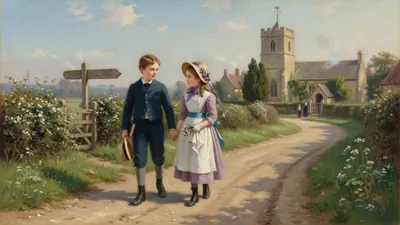
Before you read — think about:
- Do you know two pals whose names rhyme?
- What is Sunday?
- What do you do on Sunday at home?
- Who do you like to sit with?
- How do two names sound together?
Watch for these while reading:
- Tommy Snooks.
- Bessie Brooks.
- The word Sunday.
- How they go.
- The last line.
Vocabulary to know:
walking (verb) — going along on foot; Sunday (noun) — the first day of the week; To-morrow (noun) — the day after today (old spelling of tomorrow).
Chapter 29: Tom, Tom, the piper's son
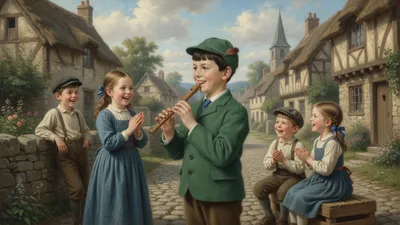
Before you read — think about:
- Have you heard a pipe or a flute?
- What is a pig?
- How do you feel if someone takes food that is not theirs?
- What happens after a chase?
- Who do you tell if something is taken?
Watch for these while reading:
- Tom the piper's son.
- The pig.
- The words away he run.
- The beating.
- How the last line ends.
Vocabulary to know:
piper (noun) — a person who plays a pipe or flute; learnt (verb) — an old or British way of saying learned; noise (noun) — a loud sound.
Chapter 30: Ring-a-ring-a-roses
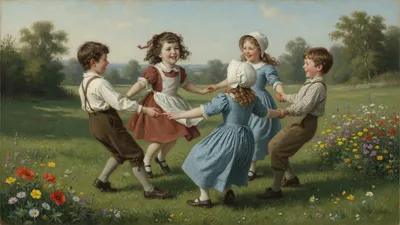
Before you read — think about:
- Have you played ring-around-the-rosie?
- What is a posy?
- How do you fall down in a game?
- Who holds hands in a circle?
- What words do you say in a circle game?
Watch for these while reading:
- The ring of roses.
- The pocket full of posies.
- A-tishoo.
- The last line.
- How the game moves.
Vocabulary to know:
posies (noun) — small bunches of flowers; pocket (noun) — a small bag sewn into clothes for carrying things; tumbled (verb) — fell down in a heap.
About the Author
No one person wrote all of Mother Goose. People sang the rhymes at home for a long time. Then someone wrote them down in a book. Kids still like to say them today.
Long ago, grown-ups sang these rhymes to little kids. The pictures in the old book show small jobs and games: a hill, a kettle, a lost shoe. You can still do those things now.