


About This Book
Welcome to the Community, a seemingly perfect world where pain, fear, and conflict have been eliminated. In this society, everything is controlled, from the weather to people's jobs. Decisions are made by the Elders, and life follows strict rules and routines. Young Jonas is about to turn twelve, a significant age when he will be assigned his lifelong role in the Community. But as his Ceremony of Twelve approaches, Jonas begins to feel a sense of unease and anticipation about what his future holds, and whether this perfect world is truly what it seems.
The Giver challenges readers to think deeply about what makes a life meaningful. It asks important questions about individuality, freedom, memory, and the price of safety. For middle schoolers navigating their own identities and understanding the world around them, this book offers a powerful, thought-provoking story that encourages empathy and critical thinking about the societies we live in.
Meet the Characters

More about Jonas
Jonas is an eleven-year-old boy living in a community that values sameness and order above all else. He is thoughtful and often feels a sense of unease about the way things are, even if he can't quite explain why.

More about Gabriel
Gabriel is a baby who has recently come to live with Jonas's family unit because he is not thriving. He is fussy and has trouble sleeping, making him a concern for his caregivers.

More about Father
Father works as a Nurturer at the Releasing Center, where he cares for infants. He is a warm and loving parent who enjoys his family and his job, which involves caring for the community's youngest members.

More about Mother
Mother works in a position of authority, dealing with law and justice within the community. She is a supportive parent who believes strongly in the rules and traditions of their society.

More about Asher
Asher is Jonas's closest friend, known for his energetic and sometimes impulsive nature. He is good-natured and often jokes around, though he sometimes struggles with precise language.

More about Lily
Lily is Jonas's younger sister, who is seven years old at the start of the story. She is observant and often chatty, eager to share her thoughts and experiences about their community.

More about The Giver
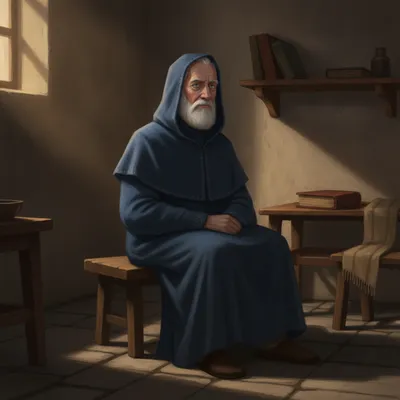
The Giver is a highly respected elder within the community, holding a unique and vital position. He is known for his wisdom and his quiet nature. He has a significant role to play in the lives of certain individuals as they approach adulthood.

More about Fiona
Fiona is one of Jonas's best friends, and they have grown up together. She is a calm and obedient girl who follows instructions well. She is looking forward to her own Assignment at the upcoming Ceremony of Twelve.
Pre-Reading Discussion Questions
- What does it mean to live in a 'perfect' society?
- How important are rules and traditions in our lives?
- What are some things you would be willing to give up for safety and comfort?
- How do memories shape who we are?
- Is it better to have a predictable life or an unpredictable one?
- What are the pros and cons of everyone being the same?
Themes & Big Ideas to Track
- Sameness: How does the Community's focus on sameness affect its citizens?
- Memory: What role does memory play in shaping an individual and a society?
- Choice: How important is it for individuals to have the freedom to make their own choices?
- Emotion: What is the value of experiencing a full range of human emotions, both positive and negative?
- Individuality: How does the book explore the importance of being unique?
- Control: What are the different ways control is exercised in the Community, and what are its effects?
Chapter-by-Chapter Study Guide
Chapter 1

Before you read — think about:
- What does the word 'community' make you picture, and who decides who belongs to one?
- What does a weekday evening look like in your home, from the end of dinner to bedtime?
- If you had to name the exact feeling you are having right now, how easy would that be?
- Who in your life is allowed to tell you what to do, and how did they get that authority?
- How can a small rule about clothing, language, or bicycles shape the way a whole group behaves?
Watch for these while reading:
- The evening ritual the family unit shares after the meal, and the order in which people speak.
- The community's insistence on precise language, and the words characters correct in one another.
- The loudspeakers, and the tone of the voice that comes out of them.
- Jonas's father's work, and the way he talks about the children in his care.
- How ages are counted in this community, and which ages seem to matter most.
Vocabulary to know:
apprehensive (adjective) — Anxious, uneasy, or fearful about something that might happen in the future.; release (noun) — In the Community, a formal term for removing a citizen from society, which serves as a serious final action or punishment.; nurturer (noun) — A designated caregiver in the Community responsible for looking after the physical and emotional needs of infants.; dwelling (noun) — A shelter, house, or assigned place of residence where a family unit lives in the Community.; distraught (adjective) — Deeply agitated, worried, or emotionally upset.; rasping (adjective) — Harsh, scratchy, or rough in sound.; ritual (noun) — A required, set sequence of actions or routine practiced regularly by a group or community.; transgression (noun) — An act that breaks or violates a rule, law, or code of behavior.; adherence (noun) — Strict obedience or devotion to a set of rules, standards, or expectations..
Chapter 2

Before you read — think about:
- How did the adults you know come to have the jobs they have?
- What is the difference between choosing something for yourself and having somebody else choose it for you?
- Why do so many cultures mark growing up with a ceremony?
- What object did you keep from when you were small, and why that one?
- What would a group gain, and what would it lose, if it decided everyone's work for them?
Watch for these while reading:
- The ceremony that belongs to each age, and what changes for a child at each one.
- The way the Committee of Elders is said to make its decisions.
- Jonas's father's account of his own Ceremony of Twelve.
- Small rule-breakings the adults mention lightly, and the rules they treat as absolute.
- The community's vocabulary for its own people — 'newchild,' 'family unit,' 'Assignment' — and what those words leave out.
Vocabulary to know:
assignment (noun) — The official lifelong job given to a young person by the Elders at the Ceremony of Twelve.; newchild (noun) — An infant born into the community who lives at the Nurturing Center until being named and given to a family unit.; elder (noun) — A respected leader in the community responsible for making major decisions, enforcing rules, and selecting assignments.; aptitude (noun) — A natural talent or ability to learn and do something well.; prominent (adjective) — Important, well-known, or holding a position of high standing.; gravitate (verb) — To be naturally drawn or attracted toward a person, place, or activity.; appeal (verb) — To make a formal request to a higher authority to change or overturn a rule or decision.; supplement (verb) — To add extra help, effort, or resources in order to complete or improve something.; designate (verb) — To officially choose, set aside, or mark someone or something for a specific task or purpose..
Chapter 3

Before you read — think about:
- When you were small, what did adults refuse to explain to you, and how did that feel?
- What is the earliest memory you can actually picture, and how much of it is yours rather than a story you were told?
- Why might a community want everyone to look and sound very much alike?
- Which rules at your school do you think are genuinely necessary, and which are just habit?
- Why do young children say things out loud that adults have learned not to say?
Watch for these while reading:
- Lily's habit of saying exactly what she thinks, and how the adults answer her.
- The newchild staying in the dwelling, and the rules that surround his stay.
- Eye colour in this community, and the fact that Lily has been taught it is rude to mention.
- The games Jonas and Asher play at the recreation area, and the objects they use.
- The announcements over the loudspeaker, and the way they name nobody at all.
Vocabulary to know:
Birthmother (noun) — In the Community, the assigned role of a female who gives birth to three children over three years before spending the rest of her life doing physical labor.; petulantly (adverb) — In an irritated, sulky, or childish manner.; chastisement (noun) — A severe scolding, reprimand, or punishment for bad behavior.; remorse (noun) — A deep feeling of guilt and regret for having done something wrong.; conviction (noun) — A strong, firm belief or certainty about something.; infraction (noun) — A minor breaking of a rule or law.; nondescript (adjective) — Plain and ordinary, lacking any distinctive or interesting features.; bewildered (adjective) — Completely confused, puzzled, or perplexed.; humiliation (noun) — A feeling of deep embarrassment and shame caused by losing respect or being publicly called out..
Chapter 4

Before you read — think about:
- Why do many schools ask students to do volunteer work?
- What can you learn about a job by doing it for an hour that you could never learn from a description of it?
- What jobs do adults do that you have never actually watched anybody do?
- What is the difference between being useful and being liked?
- How do friends drift toward different interests as they get older?
Watch for these while reading:
- The volunteer hours, and how much freedom children are given in choosing where to spend them.
- The House of the Old, and the way the workers there speak to the residents.
- The rules about nakedness and about touching, and the people they do not apply to.
- Larissa's stories, and the tone she uses for them.
- The differences between Asher, Fiona, and Jonas that are starting to show.
Vocabulary to know:
rehabilitation (noun) — The process of restoring health, capability, or good condition, or the facility where care and therapy take place.; bypass (verb) — To go around or avoid a specific place, step, or route.; chortle (verb) — To laugh in a quiet, gleeful, or amused manner.; serene (adjective) — Calm, peaceful, and untroubled.; fragile (adjective) — Delicate and easily broken, damaged, or hurt.; disquieting (adjective) — Causing feelings of anxiety, uneasiness, or worry.; infuse (verb) — To fill or pervade thoroughly with a specific quality, feeling, or atmosphere.; exuberant (adjective) — Filled with high energy, lively excitement, and enthusiasm.; solemn (adjective) — Very serious, dignified, and formal..
Chapter 5

Before you read — think about:
- Do you remember your dreams, and does telling somebody about one change it?
- What is a question you would rather ask a friend than a parent?
- How does a family decide which subjects are private and which get shared?
- Why might a community make a rule about feelings rather than about actions?
- Which new responsibilities have you been given as you have got older, and which of them did you actually want?
Watch for these while reading:
- The morning ritual of dream-telling, and how it differs from the evening one.
- The words Jonas's mother and father choose for things that make them uncomfortable.
- The term 'Stirrings,' and the matter-of-fact way the adults treat it.
- Who speaks first in the dwelling, and who gets sent off before the conversation is over.
- How precisely Jonas is expected to describe something he barely understands.
Vocabulary to know:
Stirrings (noun) — In the story, the emotional and physical feelings of attraction that begin during adolescence, which the Community suppresses using daily pills.; vivid (adjective) — Producing powerful, detailed, and exceptionally clear mental images or feelings.; murky (adjective) — Dark, cloudy, or unclear, making it difficult to see or understand.; recount (verb) — To narrate or give a detailed account of an event or experience.; dosage (noun) — The specified amount of a medicine or pill to be taken at one time.; persist (verb) — To continue to exist, occur, or endure over a prolonged period.; fleeting (adjective) — Lasting for a very brief moment; passing quickly.; vaguely (adverb) — In a way that is unclear, indistinct, or not precisely remembered..
Chapter 6

Before you read — think about:
- Why do ceremonies matter to the people watching, and not only to the people in them?
- What does a group gain by doing exactly the same thing on the same day every year?
- What do birthdays look like in your family, and what makes one memorable?
- What is the difference between a name somebody chose for you and a nickname you earned?
- Why might a community keep a short list of rules it says can never be changed?
Watch for these while reading:
- The ceremony that belongs to each age, and the single object or privilege each one brings.
- The Naming, and how names are chosen, kept, and used again.
- The word 'Elsewhere,' and how casually people say it.
- The Chief Elder's manner of speaking to a crowd.
- How the community handles a child whose case does not fit its usual pattern.
Vocabulary to know:
interdependence (noun) — The state of relying on one another for support and assistance, which the Community teaches young children by giving them jackets that button in the back.; reprieve (noun) — A temporary delay or postponement of a punishment or unwelcome event.; relinquish (verb) — To give up, surrender, or hand over control of something to someone else.; emblem (noun) — A symbol or object that represents an idea, state of being, or organization.; indulgently (adverb) — Done in a patient, generous, or overly permissive manner that gives in to someone's desires.; invariably (adverb) — Always; in every case without fail.; meticulously (adverb) — With extreme care, precision, and attention to every small detail.; infancy (noun) — The earliest stage of human life; babyhood.; scrupulously (adverb) — Done with exact thoroughness and strict attention to doing things correctly..
Chapter 7

Before you read — think about:
- How do people behave while they are waiting for their own name to be called?
- When has an adult described you to somebody else, and did you recognise the description?
- What does an order — first, last, somewhere in the middle — communicate about a group?
- What is the value of being known very well by the people who make decisions about you?
- Why might a person be embarrassed by attention even when the attention is kind?
Watch for these while reading:
- The order of the Twelves, and what a person's number is based on.
- The Chief Elder's speech, and the mixture of praise and correction inside it.
- Asher's history, and the story the community tells about him.
- The Assignments given out, and how closely each one fits the child receiving it.
- The audience, and the sounds it makes together.
Vocabulary to know:
precision (noun) — exactness and accuracy, especially in the careful selection and use of words; crescendo (noun) — a gradual increase in volume, sound, or intensity; jaunty (adjective) — having or showing a lively, cheerful, and confident manner; benign (adjective) — kind, gentle, or harmless in influence or appearance; piecemeal (adverb) — one piece at a time or in gradual stages rather than all at once; excruciating (adjective) — intensely painful, agonizing, or embarrassing; profound (adjective) — deeply felt, very serious, or reaching far into the mind; spontaneously (adverb) — done naturally and suddenly without prior planning.
Chapter 8

Before you read — think about:
- What does the word 'honour' mean to you, and how is an honour different from a reward?
- What is courage, and is it the same thing as not being afraid?
- What makes somebody trustworthy, and can you tell before you know them well?
- When you have been part of a big crowd, what made it feel like one thing rather than many separate people?
- Why is it sometimes harder to be praised in public than criticised in private?
Watch for these while reading:
- The Chief Elder's account of a rule the community has rarely had to use.
- The qualities she lists as necessary, and the one she admits she cannot define.
- The sounds a crowd makes, and what those sounds do to the person standing in front of it.
- Any mention of ten years ago, and how quickly the subject is dropped.
- The difference between 'Assignment' and 'selection' in the way the Chief Elder uses the two words.
Vocabulary to know:
selection (noun) — The special act of choosing someone for a unique, highly prestigious role, distinct from a standard community Assignment.; throng (noun) — A large, densely packed crowd of people.; unanimous (adjective) — Fully agreed upon by every member of a group.; indolence (noun) — Habitual laziness or avoidance of effort and activity.; integrity (noun) — The quality of being honest, truthful, and guided by strong moral principles.; rigorous (adjective) — Extremely demanding, strict, or thorough.; magnitude (noun) — Great size, extent, or importance.; reverence (noun) — A feeling or attitude of deep respect, honor, and awe.; capacity (noun) — The innate ability or potential to perceive, hold, or experience something..
Chapter 9

Before you read — think about:
- Which of your school's rules were you handed in writing, and did you actually read them?
- What is the difference between a secret and something that is simply private?
- What kinds of rules exist to protect the person following them, and what kinds protect everybody else?
- Why do people feel uneasy about beginning something they cannot picture yet?
- What does it mean to be trusted with something heavy?
Watch for these while reading:
- The folder of instructions, and how it differs in length and tone from anything else in the community.
- Which ordinary community rules no longer apply to Jonas.
- Asher's and Fiona's behaviour toward Jonas the next day.
- The word 'pain,' and where in the chapter it appears in writing.
- The Annex behind the House of the Old, and the way that building is kept.
Vocabulary to know:
dismay (noun) — A sudden feeling of distress, disappointment, or worry caused by something unexpected.; exempted (verb) — Freed from a requirement, duty, or rule that applies to others.; prohibited (verb) — Forbidden or banned by an official rule or authority.; integral (adjective) — Essential and necessary to make something whole or complete.; empowered (verb) — Given the official authority, freedom, or power to do something.; unnerved (verb) — Made someone feel nervous, confident-lacking, or uneasy.; requisition (verb) — To officially demand or request needed supplies or equipment.; disgraced (adjective) — Having lost respect, honor, or reputation due to shameful behavior.; restriction (noun) — A rule or limit that controls what someone can or cannot do..
Chapter 10

Before you read — think about:
- What do you notice first when you walk into a stranger's home?
- Which books are in your home, and who chose them?
- Who has taught you something well, and what did they do differently from other teachers?
- What makes an old person's company different from a young person's?
- What is the most tired you have ever been, and was it from work or from worry?
Watch for these while reading:
- The Annex rooms, and how the furniture there compares with the furniture in Jonas's dwelling.
- The books along the walls, and what the community usually allows people to read.
- The old man's manner — his tiredness, his impatience, his courtesy.
- The loudspeaker in the Annex, and the switch beside it.
- How the old man describes what he does all day.
Vocabulary to know:
annex (noun) — A smaller building attached to or located next to a larger main building.; upholstered (adjective) — Describing furniture fitted with soft padding, springs, and a fabric or leather covering.; conspicuous (adjective) — Easily seen, noticeable, or standing out distinctly.; alcove (noun) — A small, recessed section or nook set back from a larger room.; perceive (verb) — To become aware of, recognize, or understand something using the mind or senses.; transmit (verb) — In the story, to transfer stored memories, thoughts, or feelings directly from one mind to another.; exhilarating (adjective) — Causing strong feelings of thrill, excitement, and energy.; obsolete (adjective) — No longer used or needed because something newer or more efficient replaced it.; tentatively (adverb) — Done in a hesitant, cautious, or uncertain manner.; expanse (noun) — A wide, continuous open area of land, water, or sky..
Chapter 11

Before you read — think about:
- What is the most vivid physical sensation you can call up from memory right now?
- How would you describe a taste or a smell to somebody who has never encountered it?
- What is your favourite kind of weather, and what do you actually do differently in it?
- What is the difference between knowing a fact and having lived it?
- Which English words would stop making sense to somebody who had never had the experience behind them?
Watch for these while reading:
- The way the old man describes what he is doing, and the words he uses for it.
- Jonas's body — what he feels, and in what order he feels it.
- The term 'Climate Control,' and the reason given for it.
- 'Sameness,' and who is said to have chosen it.
- What the old man says about his own age and his own tiredness.
Vocabulary to know:
torrent (noun) — A sudden, overwhelming rush or heavy flow of something.; frigid (adjective) — Extremely cold in temperature.; obstruction (noun) — An object or barrier that blocks a path or hinders movement.; bask (verb) — To lie comfortably in pleasant warmth and enjoy it.; wince (verb) — To flinch or make a quick facial grimace from pain or discomfort.; weariness (noun) — A state of deep tiredness or physical and mental exhaustion.; admonition (noun) — A gentle warning or piece of advice regarding conduct.; phenomenon (noun) — A remarkable or observable event, fact, or natural occurrence..
Chapter 12

Before you read — think about:
- Which of your senses would you least like to lose, and why that one?
- What is the hardest thing you have ever had to keep to yourself?
- What would daily life lose if everyone dressed and looked identical?
- How do you explain something to a friend when you do not yet have a word for it?
- Why is it hard to stay quiet about something exciting?
Watch for these while reading:
- Jonas and Fiona's ride to their training, and what the two of them find to talk about.
- Fiona's hair, and the words Jonas reaches for to describe it.
- Eyes in this chapter — whose are described, and what they have in common.
- The Giver's account of what the community gave up along with its weather.
- How Jonas behaves toward Asher and Lily now, compared with the early chapters.
Vocabulary to know:
flicker (verb) — To shine unsteadily or appear for brief, momentary glimpses.; vibrant (adjective) — Strikingly bright, intense, or full of life and color.; genetic (adjective) — Relating to genes, heredity, or the biological traits passed down through generations.; dumbfounded (adjective) — So shocked, amazed, or astonished that one is left temporarily speechless.; skeptical (adjective) — Having or showing doubt about whether something is true or wise.; uniformity (noun) — The state of being identical, consistent, or completely lacking variety.; hue (noun) — A specific shade or tint of a color.; comprehend (verb) — To grasp mentally or fully understand something..
Chapter 13

Before you read — think about:
- Would you rather choose badly for yourself, or have somebody else choose well for you?
- Which choices do adults make on behalf of children, and at what age should that stop?
- Which decision do you most want to make for yourself that somebody else currently makes for you?
- What responsibility comes with knowing something your friends do not know?
- What is something you own that you would be upset to lose, and why that thing?
Watch for these while reading:
- Jonas's argument about choosing, and the Giver's answer to it.
- Animals, and what that word means to people in the community.
- Jonas's attempts to pass on to his friends what he has been given.
- The Giver's flashes of temper, and what sets them off.
- Anything said about the person who trained for this role before Jonas.
Vocabulary to know:
irrational (adjective) — Not based on clear thought, reason, or logic.; sinuous (adjective) — Curving, winding, or moving in a flexible and graceful way.; assimilate (verb) — To absorb, adapt, or integrate fully into a larger group or system.; exasperated (adjective) — Extremely annoyed, frustrated, or irritated.; array (noun) — An impressive, large, or varied display or collection of things.; unendurable (adjective) — Impossible to tolerate, bear, or withstand.; subside (verb) — To become less intense, violent, or severe; to lessen or quiet down.; counsel (noun) — Advice or guidance given formally by a trusted authority or expert.; mutilated (adjective) — Severely injured, disfigured, or damaged..
Chapter 14

Before you read — think about:
- Who do you go to when you are hurt, and what do you actually want from them?
- What is the difference between hearing about pain and feeling it?
- What helps you fall asleep when you cannot?
- Why do adults keep certain kinds of knowledge away from children?
- Would you take on somebody else's suffering if it meant they no longer had to carry it?
Watch for these while reading:
- How the Giver prepares Jonas before a difficult memory, and how much the preparation helps.
- The rule about medication, and the way it applies to Jonas now.
- Gabriel at night, and how the family unit copes with him.
- What Jonas begins to understand by the word 'wisdom.'
- Jonas's growing sense that his friends' conversation is empty, and how he behaves toward them anyway.
Vocabulary to know:
agony (noun) — Extreme physical or mental pain and suffering.; contorted (adjective) — Twisted or bent out of its normal shape, often from severe pain.; parched (adjective) — Extremely dry or intensely thirsty.; distended (adjective) — Swollen or stretched outward beyond normal size.; famine (noun) — A severe and widespread shortage of food that causes hunger across a population.; wisdom (noun) — Deep understanding and good judgment gained through rich experience and memories of the past.; tranquil (adjective) — Calm, peaceful, and free from agitation or disturbance.; soothe (verb) — To calm, quiet, or reduce discomfort and distress..
Chapter 15
Before you read — think about:
- When have you asked an adult a question they did not want to answer?
- What is a promise you have kept that was hard to keep?
- How do people describe things that ordinary words seem too small for?
- Is there knowledge you would rather not have? Why?
- What does it cost to be the only person who knows something?
Watch for these while reading:
- The Giver's physical condition when Jonas arrives.
- How much the Giver explains beforehand, and how much he leaves unsaid.
- The landscape of the memory — the ground, the light, the sounds, the smell.
- The ordinary things people ask for in extraordinary circumstances.
- The distance between what Jonas has been taught about the past and what he is being given of it.
Vocabulary to know:
carnage (noun) — Great destruction, bloodshed, and killing, especially on a battlefield.; imploringly (adverb) — In a desperate, begging, or pleading manner.; grotesque (adjective) — Unpleasantly strange, distorted, or ugly in shape or appearance.; immobilized (verb) — Prevented from moving or functioning; frozen in place.; stench (noun) — A strong, foul, and extremely unpleasant odor.; sprawled (verb) — Lying or sitting with limbs spread out in an awkward or relaxed position.; foul (adjective) — Disgusting, dirty, or highly offensive to the senses.; grime (noun) — A layer of dirt or soot accumulated on a surface..
Chapter 16

Before you read — think about:
- Which words do people use all the time that are surprisingly hard to define exactly?
- What makes a memory worth keeping?
- Which family stories get retold at your house, and who tells them best?
- When have you been told how to feel rather than asked how you feel?
- What do you do out of habit rather than out of choice?
Watch for these while reading:
- The memories Jonas asks for by name, and the ones the Giver offers him.
- A dwelling inside a memory, and how its rooms compare with dwellings in the community.
- Old people inside a memory, and where the old people are in the community.
- The phrase 'precision of language,' and who uses it and when.
- Jonas's morning routine, and the small obligations attached to it.
Vocabulary to know:
hearth (noun) — The floor of a fireplace, often representing the warm center of a home.; luxuriate (verb) — To take great pleasure in something comfortable, peaceful, or enjoyable.; ecstatic (adjective) — Feeling overwhelming happiness or intense joy.; permeate (verb) — To spread completely throughout every part of a space or area.; solitude (noun) — The state or feeling of being alone, especially in a peaceful way.; contentment (noun) — A state of peaceful happiness and satisfaction with one's situation.; unaccustomed (adjective) — Not familiar with or used to something.; realm (noun) — A region, field of interest, or world of experience.; generalized (adjective) — Broad or vague; lacking specific detail or exact meaning..
Chapter 17

Before you read — think about:
- What do you do with a day that has nothing planned in it?
- What is the biggest way you have changed since you were in primary school?
- Which friend have you known longest, and what keeps that friendship going?
- Is it fair to judge somebody for not knowing what they were never taught?
- What is the difference between being alone and being lonely?
Watch for these while reading:
- The idea of an unscheduled day, and how rare the community makes it sound.
- The children's game in the field, and the rules they play by.
- Asher's standing among the other children, and his manner toward Jonas.
- The gap between what Jonas feels and what he is able to report at the evening telling.
- Lily and Father at home, and the ordinary chatter that Jonas now hears differently.
Vocabulary to know:
unscheduled (adjective) — Not planned or arranged for a specific time; occurring outside the community's usual strict routine.; horde (noun) — A large, noisy, or moving crowd of people.; ambush (noun) — A surprise attack made from a hidden position.; warfare (noun) — The activity or conflict of fighting in a war.; harmless (adjective) — Innocent and incapable of causing hurt, damage, or injury.; dejected (adjective) — Feeling sad, low-spirited, or discouraged due to disappointment.; pervade (verb) — To spread through and be present in every part of something.; expertise (noun) — Special skill, knowledge, or mastery in a particular subject or activity.; suppress (verb) — To forcibly hold back, keep down, or prevent the expression of a feeling or reaction..
Chapter 18

Before you read — think about:
- What questions do you have about your family's past that nobody has answered?
- How do you decide whether to ask a hard question or to leave it alone?
- Which stories about your school or your town does everyone seem to know, and how accurate do you think they are?
- What is something you know how to do that you learned from one particular person?
- Why do adults protect children from history?
Watch for these while reading:
- The name Jonas asks about, and the Giver's reluctance to say it.
- How long ago the events under discussion took place, and who else in the community remembers them.
- The Giver's explanation of what becomes of memories that nobody is holding.
- Which questions Jonas asks straight out, and which he approaches sideways.
- The Giver's voice as he talks about the past, and the point at which he stops.
Vocabulary to know:
luminous (adjective) — Shining brightly or giving off a clear, glowing light.; solace (noun) — Comfort or relief given to someone during a time of sadness or distress.; anguish (noun) — Severe mental or physical pain, suffering, or distress.; devastating (adjective) — Causing extreme shock, deep sadness, or severe emotional pain.; wretched (adjective) — Very miserable, unhappy, or in a terrible state of suffering.; inflict (verb) — To cause something painful, harmful, or unpleasant to be suffered by someone.; ruefully (adverb) — In a way that shows regret, sadness, or humor about a mistake or misfortune.; chaos (noun) — A state of complete disorder, confusion, and lack of control..
Chapter 19

Before you read — think about:
- What do you do that is so routine you have stopped thinking about it?
- Which photographs or videos does your family keep, and who decides what gets kept?
- Which chores do you do without being asked, and which do you resist?
- When is curiosity a good idea, and when is it not?
- When does an imprecise word actually matter, and when is it harmless?
Watch for these while reading:
- How the Giver answers Jonas's request, and how long he takes over the answer.
- The records the Annex keeps, and what this community bothers to record at all.
- The routine Jonas watches, and how practised everybody in it seems.
- The vocabulary the community uses for its ordinary tasks, and how flat that vocabulary sounds.
- Jonas's silence, and the gap between what he says aloud and what he is thinking.
Vocabulary to know:
syringe (noun) — A hollow tube with a plunger and needle used to inject or withdraw liquids.; receptacle (noun) — A container or vessel used to hold or store objects.; limp (adjective) — Lacking firmness, stiffness, or muscle strength; hanging loosely.; chute (noun) — A vertical or sloping passage down which objects can be dropped or slid.; numb (adjective) — Deprived of physical feeling or emotion, often due to shock, cold, or intense surprise.; scalp (noun) — The skin covering the top and back of the head.; plunger (noun) — A sliding rod or piston inside a cylinder, such as the part of a syringe pushed to expel liquid.; stricken (adjective) — Deeply affected or overwhelmed by shock, grief, sorrow, or fear..
Chapter 20

Before you read — think about:
- What is worth arguing about with an adult, and how do you argue well?
- Who is the adult you would go to with a problem you could not take to your parents?
- What makes somebody a good listener?
- Which rule at home or school have you disagreed with most, and what did you do about it?
- What does a person owe to the place that raised them?
Watch for these while reading:
- Jonas's anger, and the way the Giver handles it.
- What the Giver says he might have done differently, and how long he has thought so.
- The practical details the two of them work through, and which of them thinks of what.
- Anything the Giver says about his own family, past or present.
- What memories are said to do for a community that holds none of its own.
Vocabulary to know:
customary (adjective) — According to routine or common practice; usual and expected.; stealthily (adverb) — In a quiet, cautious, and secretive manner to avoid being noticed.; mimic (verb) — To copy or imitate someone's speech, gestures, or actions.; emphatic (adjective) — Expressed with strong force, clarity, or conviction.; hypnotic (adjective) — Having a mesmerizing, rhythmic, or soothing effect that holds complete attention.; augmented (verb) — Increased, enhanced, or added to in order to make something greater or stronger.; fugitive (noun) — A person who is running away or hiding to avoid capture or controlled authority.; condemn (verb) — To express severe disapproval of something or declare it to be wrong.; yearning (noun) — A deep, intense desire or longing for something..
Chapter 21

Before you read — think about:
- Why is waiting for something you have already decided to do so difficult?
- When you have packed for a trip, what did you regret bringing and what did you miss?
- What is the biggest rule you have ever broken, and was it worth it?
- What does your neighbourhood sound like after everybody has gone to bed?
- What responsibilities does an older person have toward a much younger one?
Watch for these while reading:
- The evening routines of the dwelling, and what Jonas notices about them now.
- What the plan asks Jonas to carry, and what it asks him to leave behind.
- Heat and cold, and why the difference between them matters so much to Jonas.
- Gabriel, and the means Jonas has of keeping him calm.
- The land beyond the community, and how far the descriptions of it reach.
Vocabulary to know:
haphazard (adjective) — Lacking any obvious principle of organization, planning, or order.; vigilant (adjective) — Carefully watching for possible danger, threats, or difficulties.; subtly (adverb) — In a quiet, delicate, or barely noticeable manner.; relentless (adjective) — Continuing without stopping, slowing down, or giving up.; peril (noun) — Serious and immediate danger or risk.; lethal (adjective) — Sufficient to cause death; deadly.; exquisite (adjective) — Extremely beautiful, delicate, or intense in quality.; instinctive (adjective) — Prompted by natural impulse rather than deliberate thought.; terrain (noun) — The physical characteristics and landscape of a particular stretch of land..
Chapter 22

Before you read — think about:
- What is the longest you have been outdoors away from any building, and what did you notice?
- What does rain sound like where you live, and where do you notice it most?
- What do you tell yourself when you want to give up on something?
- Why do we describe unfamiliar places by comparing them with familiar ones?
- What is the difference between running away from something and travelling toward something?
Watch for these while reading:
- The land itself — its shape, its plants, its creatures.
- Colour, and the way Jonas notices it now.
- Hunger and cold, and how Jonas rations what he has.
- The memories Jonas calls up deliberately, and what he uses them for.
- Jonas's thoughts about the community he left, and whether they stay the same.
Vocabulary to know:
rutted (adjective) — deeply grooved or pitted by the wheels of vehicles or heavy wear.; impeded (verb) — delayed, slowed down, or blocked the progress of something.; painstakingly (adverb) — with great care, thoroughness, and persistent effort.; tantalizing (adjective) — tormenting or teasing with the promise of something desirable that remains just out of reach.; gnawing (adjective) — causing persistent, distressing discomfort or pain.; meager (adjective) — lacking in quantity, quality, or richness; small and inadequate.; lethargy (noun) — a state of extreme sluggishness, drowsiness, or lack of energy.; resignation (noun) — the quiet acceptance of an unpleasant or unavoidable situation.; cultivated (adjective) — prepared and used for growing crops or plants..
Chapter 23

Before you read — think about:
- What makes a place feel like home — the building, the people, or the routine?
- How do the last pages of a book change the way you think about its first pages?
- How can a writer make you feel cold or tired just by describing a place?
- What is the furthest you have travelled from home, and what did you miss while you were away?
- Looking back over everything you have read so far, what has it cost Jonas to know what he knows?
Watch for these while reading:
- The cold, and the way Jonas's body answers it.
- Landscape details that echo memories Jonas was given earlier in his training.
- Gabriel, and how much Jonas talks to him.
- Sound — what Jonas hears, and how certain he is of it.
- The final paragraphs, and how much Lowry chooses to state outright.
Vocabulary to know:
Elsewhere (noun) — In Jonas's society, any real or imagined location outside the strictly controlled boundaries of the Community.; incline (noun) — A sloped or slanted surface, such as a hill.; desperation (noun) — A state of extreme distress and urgency driven by a fear of giving up or failing.; penetrate (verb) — To pass into or through something, reaching deep inside.; summit (noun) — The highest peak or top of a hill or mountain.; glorious (adjective) — Magnificent, splendid, or bringing immense joy and wonder.; transition (noun) — The process or moment of changing from one condition, place, or state to another.; echo (verb) — To resound or reverberate sound through a space..
About the Author
Lois Lowry is a celebrated American author known for her children's and young adult fiction. She has written over forty books, including the beloved 'Number the Stars' and the Newbery Medal-winning 'The Giver.' Lowry often explores themes of courage, identity, and the importance of understanding history in her writing, drawing inspiration from her own life experiences and observations.
Published in 1993, 'The Giver' emerged during a period when discussions about societal control, genetic engineering, and the impact of technology were becoming more prominent. While not directly about these specific topics, the book taps into anxieties about a future where comfort and safety might come at the cost of human emotion and freedom. It can be seen as a response to a desire for order, questioning what might be lost when individuality is suppressed.